
Few road trips capture the spirit of the American West quite like the journey from Yellowstone National Park to Glacier National Park.
Stretching across Montana’s wide-open landscapes, this unforgettable route connects two of America’s most iconic national parks while showcasing the rivers, mountain ranges, historic towns, and endless skies that make Big Sky Country so special. Along the way, travelers can experience everything from geothermal wonders and wildlife sightings to fly fishing, scenic byways, and peaceful ranch retreats.
While many visitors focus solely on the national parks, the most memorable Montana vacations leave room for something more: time to slow down, embrace the landscape, and experience the quieter side of the state.
This guide outlines the ultimate Yellowstone to Glacier National Park road trip, including where to fly, where to stay, what to see, and why a stay at The Meadows on Rock Creek creates the perfect pause between two extraordinary destinations.
Montana National Park Road Trip At a Glance
- Route: Yellowstone National Park to Glacier National Park
- Distance: Approximately 400–450 miles
- Recommended Length: 7–10 days
- Best Time to Visit: June through October
- Ideal For: Couples, families, luxury travelers, outdoor enthusiasts, and first-time visitors to Montana
Planning Your Route: Start in Jackson Hole
Before setting out on a Montana national parks road trip, it’s worth considering where you’ll begin.
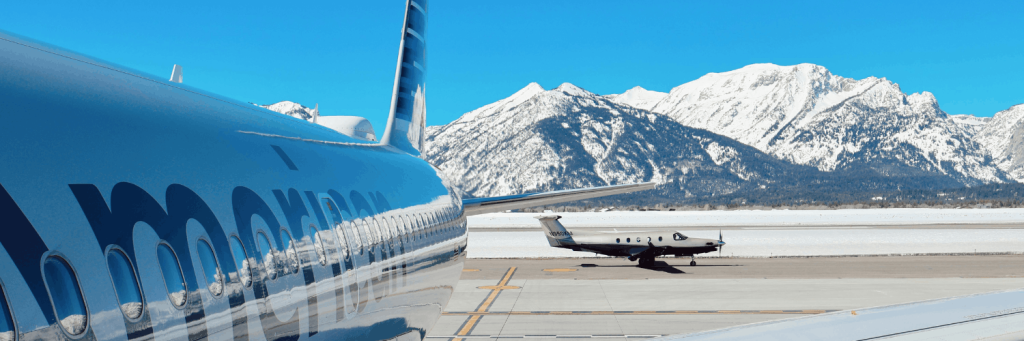
Many travelers choose to fly into Jackson Hole Airport (JAC), which creates an opportunity to experience a third iconic destination: Grand Teton National Park. With its dramatic mountain skyline, pristine lakes, and abundant wildlife, Grand Teton makes an unforgettable addition to the journey. Spend a day exploring famous destinations in the park like Jenny Lake or Shwabachers Landing, or simply proceed to the scenic drive north toward Yellowstone along highway 89, and enjoy alpine views of the Teton Mountains.
If you’d prefer to begin in Montana, Bozeman Yellowstone International Airport (BZN) offers another excellent option. From Bozeman, the route winds south through Big Sky before entering Yellowstone through the park’s West Entrance.
Whether you begin in Wyoming or Montana, this itinerary combines two of America’s most celebrated national parks with something many travelers overlook: time to experience the quieter side of Big Sky Country between them.
Yellowstone National Park: Geothermal Wonders & Wildlife Encounters
Yellowstone National Park is unlike anywhere else in the world. Home to more than half of the planet’s geothermal features, the park combines dramatic landscapes with some of North America’s best wildlife viewing.
Rather than trying to see everything, focus on a few of Yellowstone’s most iconic experiences.
Watch Old Faithful Erupt
One of the park’s most famous sights, Old Faithful remains a must-see. Take time to explore the surrounding Upper Geyser Basin, where boardwalks wind past colorful hot springs and steaming geothermal features.
See Grand Prismatic Spring from Above
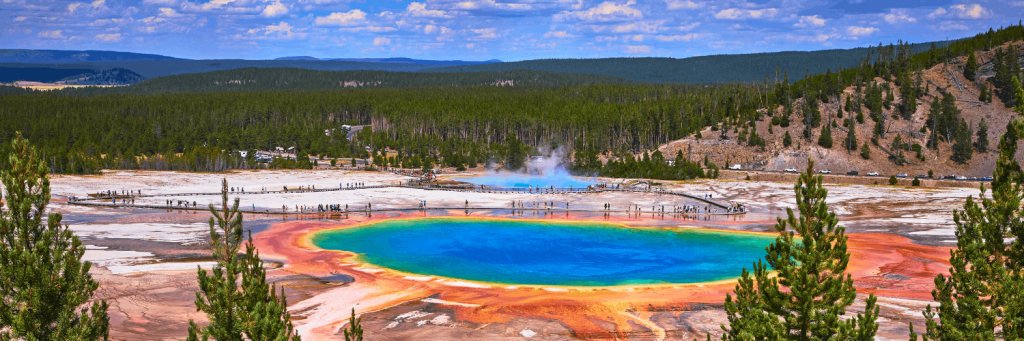
The short hike to the Grand Prismatic Spring Overlook rewards visitors with one of Yellowstone’s most recognizable views and a striking perspective on the park’s largest hot spring.
Look for Wildlife in Lamar and Hayden Valleys
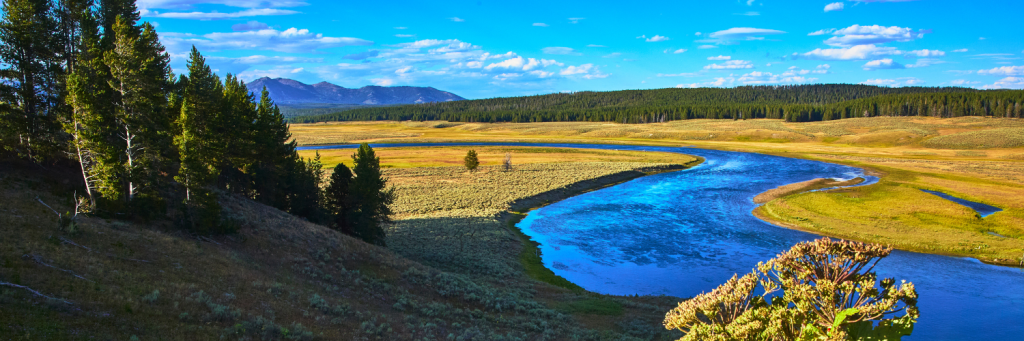
They call the Lamar Valley and Hayden valleys the Serengeti of America for a reason! Early morning and evening drives through these valleys offer opportunities to spot bison, elk, pronghorn, bears, and, with a bit of luck, wolves.
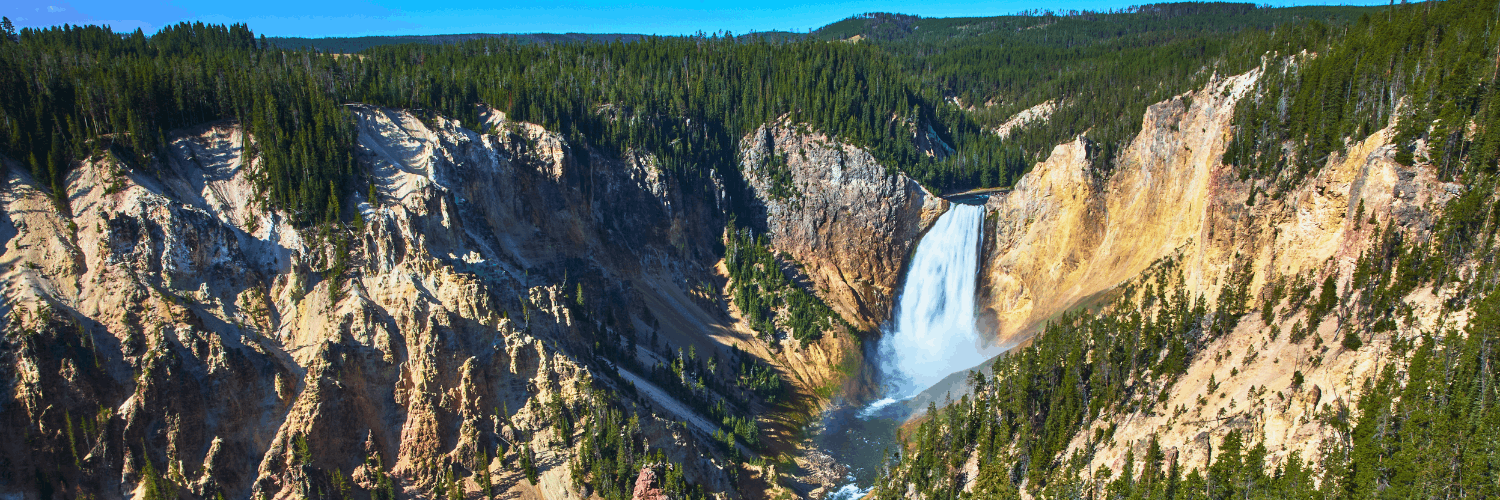
Stand at the Edge of the Grand Canyon of the Yellowstone
The view from Artist Point overlooking the Lower Falls remains one of the park’s most memorable landscapes.
Where to Stay Near Yellowstone
Rather than attempting long drives into the park each day, consider staying nearby.
Recommended accommodations include:
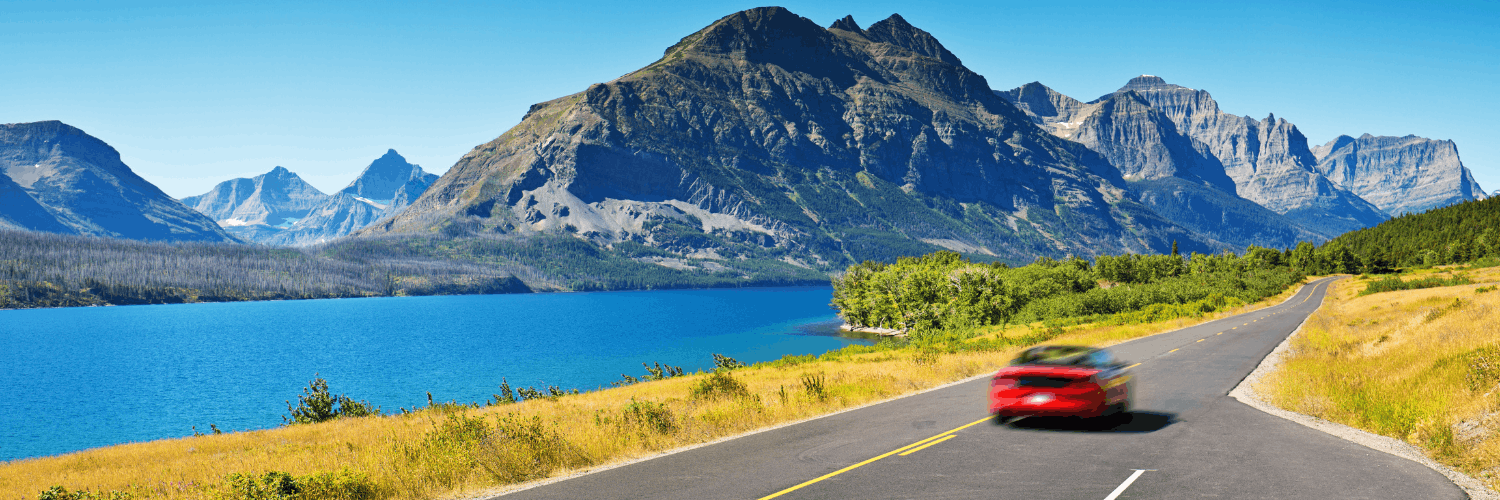
Traveling from Yellowstone to Glacier National Park: The Scenic Journey Through Montana
Most travelers leave Yellowstone through the park’s North Entrance at Gardiner, the only entrance open year-round. From there, the journey continues through some of Montana’s most beautiful landscapes.
Following Highway 89 through Paradise Valley, travelers are treated to sweeping views of the Yellowstone River, working ranches, and the Absaroka Mountains. Continuing west toward Butte and Philipsburg, the scenery gradually shifts from dramatic mountain canyons to rolling valleys and open ranchland.
This is where Montana begins to feel different.
The crowds thin. The pace slows. Small towns replace visitor centers. The landscape stretches wider.
Rather than treating the drive as a transfer day, consider it an essential part of the experience.
The route north reveals the Montana many travelers never see—historic communities, blue-ribbon trout streams, scenic byways, and quiet stretches of road where the journey itself becomes the destination.
Best Stops Between Yellowstone and Glacier National Park
One of the advantages of a Yellowstone-to-Glacier road trip is the opportunity to experience some of Montana’s most memorable destinations along the way.
Paradise Valley
Located just north of Yellowstone, Paradise Valley is famous for its mountain views, ranchlands, fly fishing, and hot springs. It’s one of the most scenic valleys in the American West.
Bozeman
The not-so-small town that feels small still. Bozeman is home of Montana State University and is a vibrant community with exceptional restaurants, boutique shopping, and a variety of outdoor activities.
Philipsburg
This charming historic mining town has become one of western Montana’s hidden gems. Stroll through Phillipsburg’s picturesque downtown, browse local shops, enjoy a sapphire mining experience, or simply soak in the relaxed pace of life.
Missoula
Set along the Clark Fork River, Missoula blends mountain scenery with a vibrant downtown, offering excellent dining, local breweries, outdoor recreation, and a lively arts and culture scene.
Flathead Lake
As the largest natural freshwater lake west of the Mississippi River, Flathead Lake offers beautiful scenery, waterfront dining, boating, and swimming throughout the summer months.
Whitefish
Located just outside Glacier National Park, Whitefish combines outdoor adventure with upscale dining, boutique shopping, and a charming mountain-town atmosphere.
The Perfect Midway Retreat: The Meadows on Rock Creek
Between Yellowstone’s geothermal landscapes and Glacier’s alpine peaks lies an opportunity to experience Montana at a different pace.
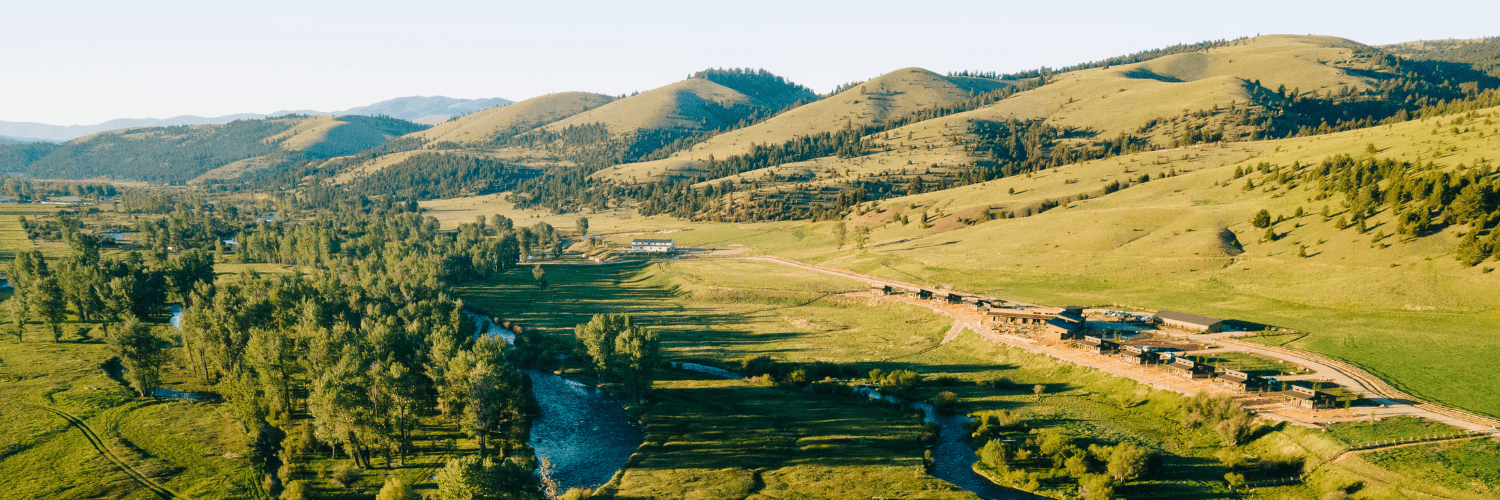
Located near Philipsburg, The Meadows on Rock Creek offers travelers a chance to pause, reconnect, and experience the quieter side of Big Sky Country.
After days spent exploring busy park roads and popular viewpoints, guests arrive to wide-open meadows, mountain views, and the peaceful flow of Rock Creek.
Why The Meadows Is the Ideal Yellowstone-to-Glacier Stop
National parks inspire a sense of wonder, but they can also mean early mornings, full parking lots, and days spent moving from one attraction to the next. The Meadows provides a welcome contrast—a place where the pace slows and the focus shifts from checking off landmarks to fully experiencing Montana.
Guests can spend their days fly fishing on Rock Creek, exploring hiking and mountain biking trails, wandering the historic streets of Philipsburg, or simply enjoying the views from the property. Evenings bring one of the trip’s simplest pleasures: gathering around the table for thoughtfully prepared meals that celebrate seasonal ingredients and regional flavors.
It’s this combination of outdoor adventure, comfortable accommodations, genuine hospitality, and memorable dining that makes The Meadows more than just a stop between Yellowstone and Glacier. For many travelers, it becomes one of the most meaningful parts of the journey.
Recommended Stay Length
Plan for three to four nights at The Meadows to fully enjoy the property, recharge between national parks, and experience a side of Montana that often becomes the highlight of the trip. The Meadows is for those who like to relish their Big Sky Country experience, take it slow, or go on an adventure on the guest ranch.
Glacier National Park: Alpine Scenery at Its Finest
Known as the Crown of the Continent, Glacier National Park offers some of the most spectacular mountain scenery in North America. Towering peaks, turquoise lakes, and glacier-carved valleys create an unforgettable landscape.
For a first visit, focus on these signature experiences.
Drive Going-to-the-Sun Road
Often considered one of the most scenic drives in the world, this legendary route crosses the heart of the park and showcases many of Glacier’s most iconic viewpoints.
Explore Logan Pass & Hidden Lake Overlook
One of the park’s most popular hikes, the trail to Hidden Lake Overlook offers sweeping alpine views and frequent wildlife sightings.
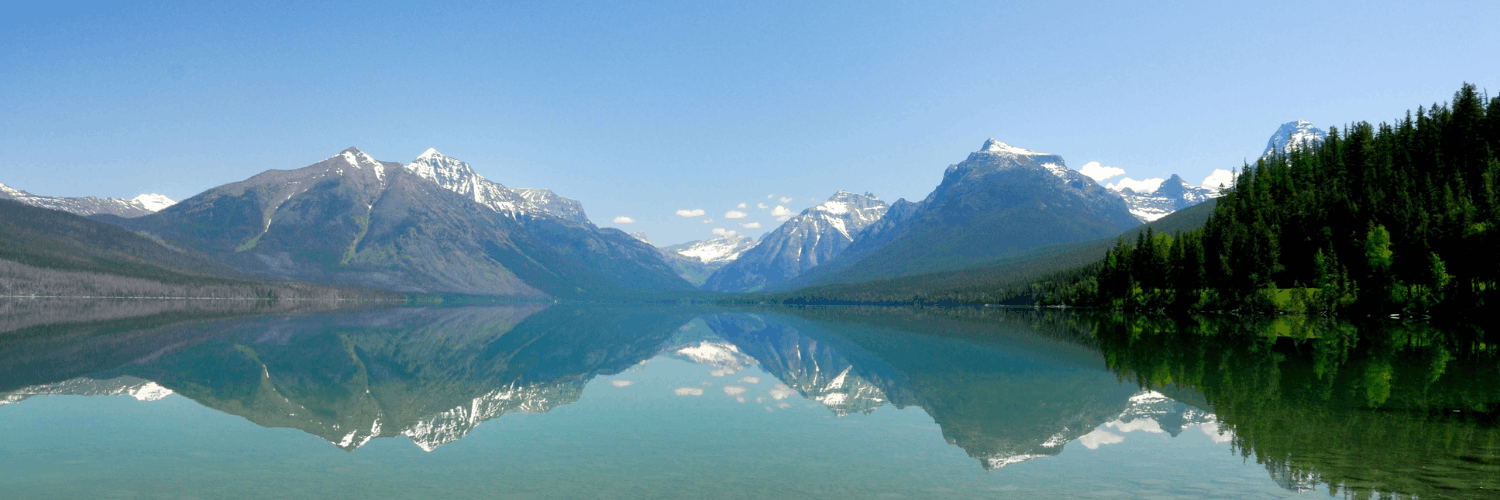
Spend Time at Lake McDonald
Walk the shoreline, rent a kayak, or simply enjoy the reflections of Glacier’s mountains on the park’s largest lake.
Experience Many Glacier
Many Glacier combines dramatic mountain scenery with some of the park’s best hiking, wildlife viewing, and boating opportunities. If time allows, it’s one of the most rewarding areas to explore.
Where to Stay Near Glacier
Recommended accommodations include:
Suggested 9-Day Yellowstone to Glacier National Park Itinerary
Day 1: Arrive in Jackson Hole, Wyoming, or Bozeman, Montana. Explore Grand Teton National Park or spend the afternoon in Big Sky.
Day 2-3: Explore Yellowstone National Park.
- First Day: Explore Yellowstone’s geothermal wonders. Visit Old Faithful, walk the boardwalks of the Upper Geyser Basin, and hike to the Grand Prismatic Spring Overlook. Continue to Yellowstone Lake before ending the day with wildlife viewing in Hayden Valley.
Discover Yellowstone’s wildlife and canyon country. Start early with a drive through Lamar Valley, then visit Mammoth Hot Springs and the Grand Canyon of the Yellowstone, including Artist Point and the Lower Falls overlook.
Day 4: Drive through Paradise Valley and arrive at The Meadows on Rock Creek.
Day 5: Enjoy a full day at The Meadows. Go fly fishing, explore Philipsburg, hike nearby trails, or simply relax and take in the scenery.
Day 6: Drive north through Missoula and the Flathead Valley. Arrive in Whitefish or Glacier National Park.
Day 7-8: Explore Glacier National Park.
- First Day in Glacier: Drive Going-to-the-Sun Road and stop at Lake McDonald, Logan Pass, and the Hidden Lake Overlook Trail. End the day in Whitefish or near Glacier National Park.
- Second Day: Explore Many Glacier or Two Medicine. Take a boat tour on Swiftcurrent Lake, hike a portion of the Grinnell Glacier Trail, or enjoy one of Glacier’s quieter corners before your final evening in northern Montana.
Day 9: Depart from Glacier Park International Airport (FCA) in Kalispell.
Where to Fly In and Out
Option 1: Jackson Hole to Kalispell
Fly into Jackson Hole Airport (JAC)
Fly out of Glacier Park International Airport (FCA)
This creates the most seamless one-way road trip experience.
Option 2: Bozeman to Kalispell
Fly into Bozeman Yellowstone International Airport (BZN)
Fly out of Glacier Park International Airport (FCA)
Ideal for travelers who prefer to begin directly in Montana.
Option 3: Round-Trip Through Montana
Fly in and out of Bozeman Yellowstone International Airport (BZN)
A great option for travelers with additional time to explore the state.
Why This Montana National Park Road Trip Stands Out
Yellowstone and Glacier are extraordinary destinations on their own.
But the journey between them reveals another side of Montana—one defined by quiet mornings, historic towns, winding rivers, and wide-open landscapes that invite travelers to slow down and stay awhile.
By combining two iconic national parks with a stay at The Meadows on Rock Creek, visitors experience not only Montana’s most famous attractions, but also the authentic character that makes Big Sky Country so memorable.
Frequently Asked Questions About a Yellowstone to Glacier National Park Road Trip
How far is Yellowstone to Glacier National Park?
The drive between Yellowstone National Park and Glacier National Park is approximately 400–450 miles depending on your route and park entrances. Most travelers spread the drive across several days to enjoy the scenery and destinations along the way.
What is the best time to visit Yellowstone and Glacier National Park?
Late June through September is generally considered the best time to visit both parks. During this period, most roads, visitor facilities, and hiking trails are accessible, including Glacier’s Going-to-the-Sun Road.
How many national parks are in Montana?
Montana is home to two national parks:
- Glacier National Park
- Yellowstone National Park (which extends into Montana, Wyoming, and Idaho)
Together, they form one of the most iconic national park pairings in the United States.
Can you visit Yellowstone and Glacier in one trip?
Absolutely. Yellowstone and Glacier National Park are frequently combined into a single Montana road trip. With seven to ten days, travelers can comfortably experience both parks while also exploring destinations throughout western Montana.
What is halfway between Yellowstone and Glacier National Park?
While the exact midpoint depends on your route, the Philipsburg area of western Montana sits conveniently between Yellowstone and Glacier National Park. With mountain scenery, outdoor recreation, and a slower pace of life, it’s an ideal place to spend a few days between parks.
Is Yellowstone or Glacier better?
The two parks offer very different experiences. Yellowstone is known for geothermal features and wildlife, while Glacier is famous for alpine scenery, hiking, and glacier-carved landscapes. Most travelers find that visiting both provides the best overall Montana vacation experience.
How many days do you need for a Yellowstone to Glacier road trip?
Seven days is the minimum recommended timeframe, but nine to ten days allows travelers to fully enjoy both national parks while incorporating meaningful stops throughout Montana.